
Week 12
- dcm0062
- Nov 2, 2021
- 3 min read
Updated: Nov 3, 2021
Stewing and Lamb
Menu
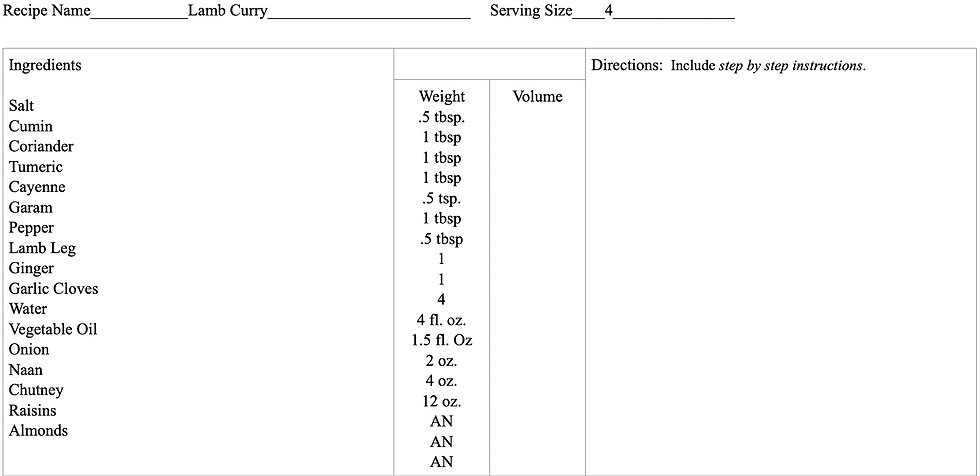
Lamb Curry
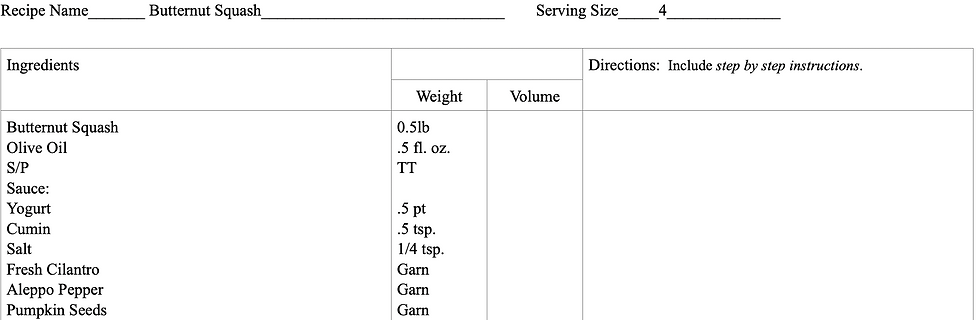
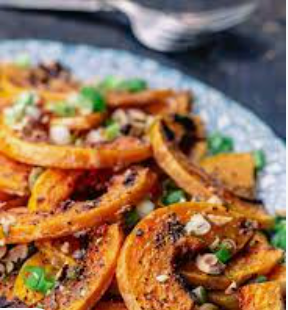
Baked Butternut Squash
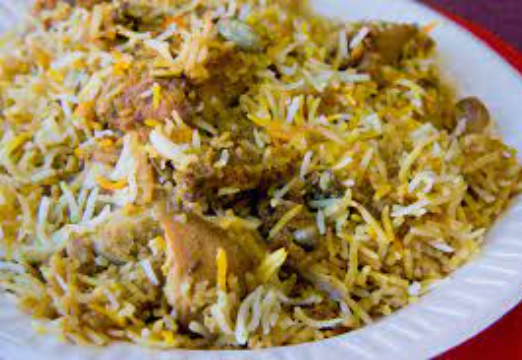
Vegetable Biryani
Learning Objectives
Prepare a meat product for cooking using a combination cooking method: stewing
Properly prepare a rice biriyani dish
Prior Knowledge
I have very little prior knowledge to all of these dishes. I have cooked lamb in the past but I have never made lamb curry. So, I am excited to see how well I do on the lamb along with the other dishes for this lab.
Cooking Method
"This week we will are continuing our combination cooking methods (dry and moist). We will be stewing some lamb meat. Similar to braising, this method is a slow cooking method, however, and unlike braising, stewing entails smaller cuts of meat or vegetables that are fully covered in a cooking liquid. First, the food item is sautéed (conduction), then liquid is added and the pan is covered and cooked on top of a stove on a gentle simmer (around 180F) or in an oven at low-moderate temperature (250-300 F) (convection). Stewing is a method used to cook tougher cuts of meat and vegetables, it involves long and slow cooking at lower temperatures to break down the connective tissue (collagen in meat) to make the meat (and vegetable) more tender." (Canvas, Week 12 Overview)
Research of Dishes
Origin/History
Lamb Curry
Curry has established its feet into being know as Indianan, which is very much so. We can give all our create to them for this amazing dish. It is believed to have been created way back in time during the 16th century. This was due to other countries bringing spices to India which collided into making this dish. In the 18th century the British gave the title to this combination of spices "curry."
Baked Butternut Squash
Butternut squash was first formed by the great American Charles Leggett of Stow in the mid 1940s. Since then this squash has become a favorite type of squash to cook. The first ever baked squash recipe is unknown due to it being so abundant around the world.
Vegetable Biryani
Similarly to curry, biryani originated in India and has become a staple food for them. One urban legend suggest that Timur, the Mongolian conquerer, found this dish useful for his army since it was simple and nutritious; this took place in 1398. Since that time this dish has changed in many ways and has become what it is now, amazing.
Variations
Lamb Curry
Curry can take any form and any sort of fashion. They are a ton of different seasoning combinations that can go together that will still make curry. Furthermore, any kind of meat can be put into curry. So the variations of this wonderful dish are absolutely endless.
Baked Butternut Squash
Baked butternut squash variations are large but within the basis of butternut squash they are somewhat minor. Many different seasonings can be combined to the butternut squash that make it delicious. Baked squash in general has infinite possibilities.
Vegetable Biryani
Biryani like the previous two dish has some many possibilities due to how basic and lose the general recipe is. Any sort of vegetables and seasonings can be added to this that still make in biryani.
Recipes



Plan of Work

Plate Presentation

Citations
The history of Curry: Institute of Culinary Education. (1970, January 01). Retrieved November 04, 2021, from https://www.ice.edu/blog/beef-curry
Kerr, B., & Ryan, J. (2017, November 21). The strange history of the butternut. Retrieved November 04, 2021, from https://www.farmersweekly.co.za/crops/vegetables/the-strange-history-of-the-butternut/
The story of Biryani: How this exotic dish came, saw and conquered India! (2016, July 07). Retrieved November 04, 2021, from https://www.thebetterindia.com/60553/history-biryani-india/
Labensky, S. R., Martel, P. A., & Hause, A. M. (339). On Cooking: A Textbook of Culinary Fundamentals, 6/e. Retrieved from https://platform.virdocs.com/r/s/0/doc/395669/sp/17708113/mi/59020164?cfi=%2F4%2F2%5BP7001015078000000000000000009CB0%5D%2F30%5BP7001015078000000000000000009DDC%5D%2F12%5BP7001015078000000000000000009E7A%5D%2F12%5BP7001015078000000000000000009E90%5D%2F8


Comments